
The #1 Symptom is No Symptoms.
Many STIs show no symptoms at all. Testing is the only way to know for sure.
Early Detection Saves Lives.
If you’re sexually active with new or multiple partners, you should get tested every
3 to 6 months. Find more information in our FAQ section.
Treatment Is Available.
Most STIs are easily treated. Early detection means faster recovery and fewer complications down the road.

Protect People You Care For.
Knowing your status means you can take steps to protect partners. It's responsible. It's honest. It matters.

Most Infections Show No Signs or Symptoms.
You can feel perfectly fine and still carry an infection. The only certainty is a test. Don't guess about your health.

What to Look For.
Know what your body is telling you.
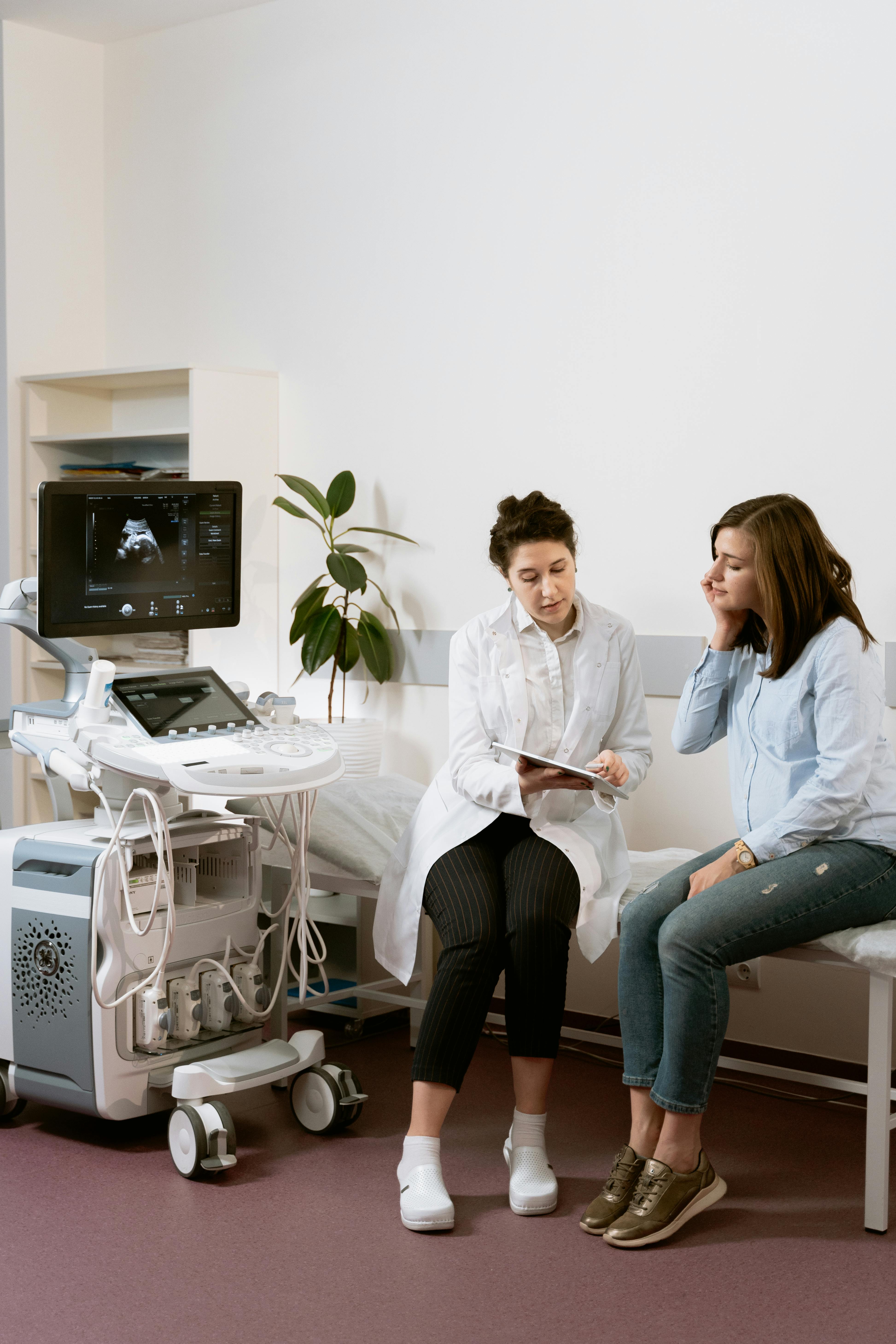
Common STI Symptoms
- Genital or Anal Abnormalities: Sores, blisters, warts, or ulcers in the genital, anal, or oral area.
- Painful/Unusual Urination: Burning sensation or increased frequency of urination.
- Abnormal Discharge: Unusual or foul-smelling vaginal, anal, or penile discharge.
- Painful Sexual Intercourse: Discomfort or pain during sex.
- Unexplained Physical Symptoms: Rashes, intense itching , fever, fatigue, or swollen lymph nodes.
- Bleeding: Vaginal bleeding between periods or after sex.

Key Considerations
- No Symptoms Doesn’t Mean No Infection: Many infections, such as HPV, chlamydia, and gonorrhea, often show no symptoms, yet can still be transmitted.
- Testing is Critical: Regular screening is the only way to confirm an infection, especially if you have multiple partners or do not use condoms consistently.
- Long-term Effects: Untreated STIs can lead to serious health problems, including infertility or organ damage.
Syphilis can have a wide variety of symptoms that don’t look like an STI, including non-itchy rashes, fever, swollen lymph glands, sore throat, patchy hair loss, muscle aches, and fatigue, and neurological symptoms like trouble hearing or seeing.
.jpg)
Easy At-Home Testing at Omaha and Lincoln Area Vending Machines.
Fast, private, and available when you need it. The machine handles everything discreetly, and results come straight to you.
No insurance required. No hidden costs. Walk up and get a test.
Follow the on-screen instructions, collect your sample, and submit it.
FAQ
STIs are common. Here are some common questions that come along with them.
- If you are sexually active and under 25 years old: Get tested annually (at least once per year).
- If you have multiple sexual partners: Get tested every 3 to 6 months.
- If you engage in high-risk behaviors such as unprotected sex or drug use: Get tested every 3 to 6 months.
- Before starting a new sexual relationship: Get tested before having sex with a new partner to ensure you and your partner are both aware of your STI status and can take necessary precautions.
- After becoming pregnant: Get tested as soon as possible to determine if any treatment is needed.
Yes. Many infections cause no signs at all; that's why testing matters. You could feel fine and still carry an infection. The only way to know is to get tested.
Don't panic. Get tested as soon as you can. Call us, or visit a vending machine to pick up a kit. Most STIs are treatable, especially when caught early. The sooner you know, the sooner you can protect yourself and others.
It depends on the infection. Some show up in days, others take weeks. When in doubt, test early, and again later if needed. We can advise you on timing if you call!
Completely. Your privacy is always protected. Testing is confidential and judgment-free. You control who knows about your results.
Don't panic. Treatment exists for most STIs! A positive result doesn't have to be a big deal. Visit a clinic or give us a call and we'll connect you with care and support.
Contact Us!
Have questions about testing or need support? We're here to help.